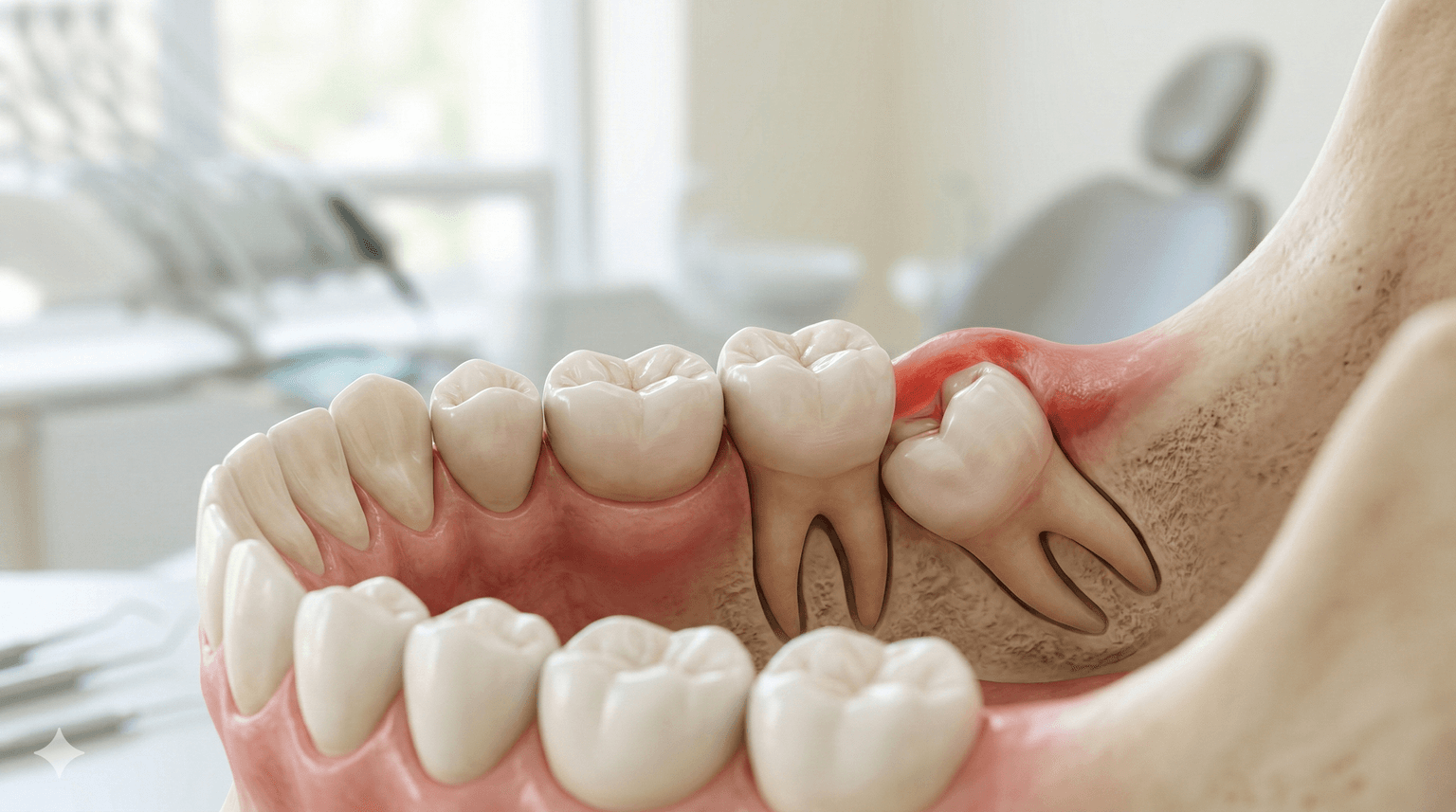
Wisdom teeth are the last set of molars that usually emerge during the late teenage years or early twenties. While some people experience no issues, many individuals face complications such as impaction, crowding, or infection that require removal.
Removing problematic wisdom teeth helps prevent pain, tooth decay, gum infections, and misalignment of surrounding teeth. Timely treatment ensures better oral health and avoids future complications.
At Pinak Dental Clinic, Dr. Ayush provides safe and comfortable wisdom tooth removal using modern techniques that prioritize patient comfort and long-term dental health.
- Persistent pain at the back of the mouth
- Swelling or redness around the gums
- Difficulty opening the jaw
- Frequent gum infections near wisdom teeth
- Pressure on nearby teeth causing crowding
Ignoring these symptoms may lead to complications such as cyst formation, nerve irritation, gum disease, or shifting teeth. Dentists often recommend early evaluation during the late teenage years to monitor wisdom tooth development.
Wisdom tooth removal may involve either a simple extraction or a surgical extraction depending on whether the tooth is fully erupted or impacted inside the gums or jawbone.
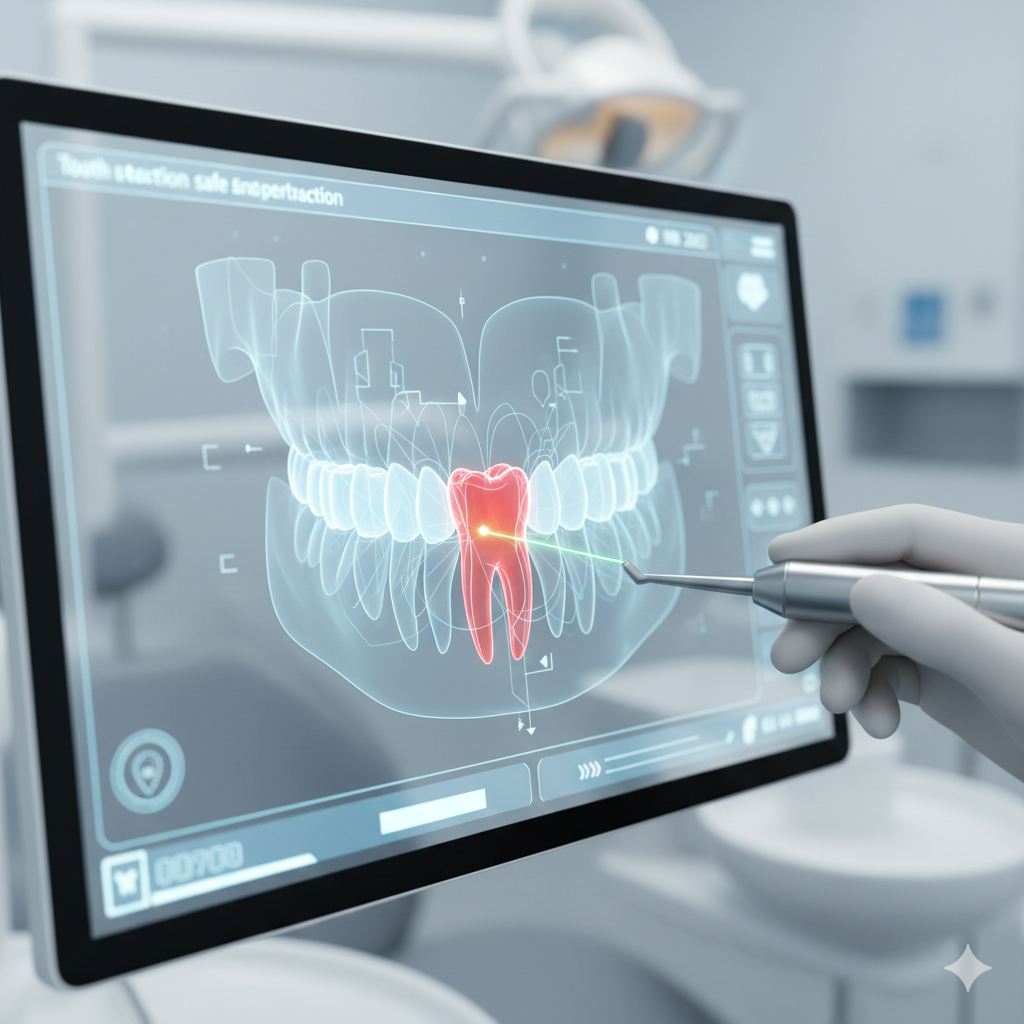
- Dental examination and X-rays to evaluate tooth position
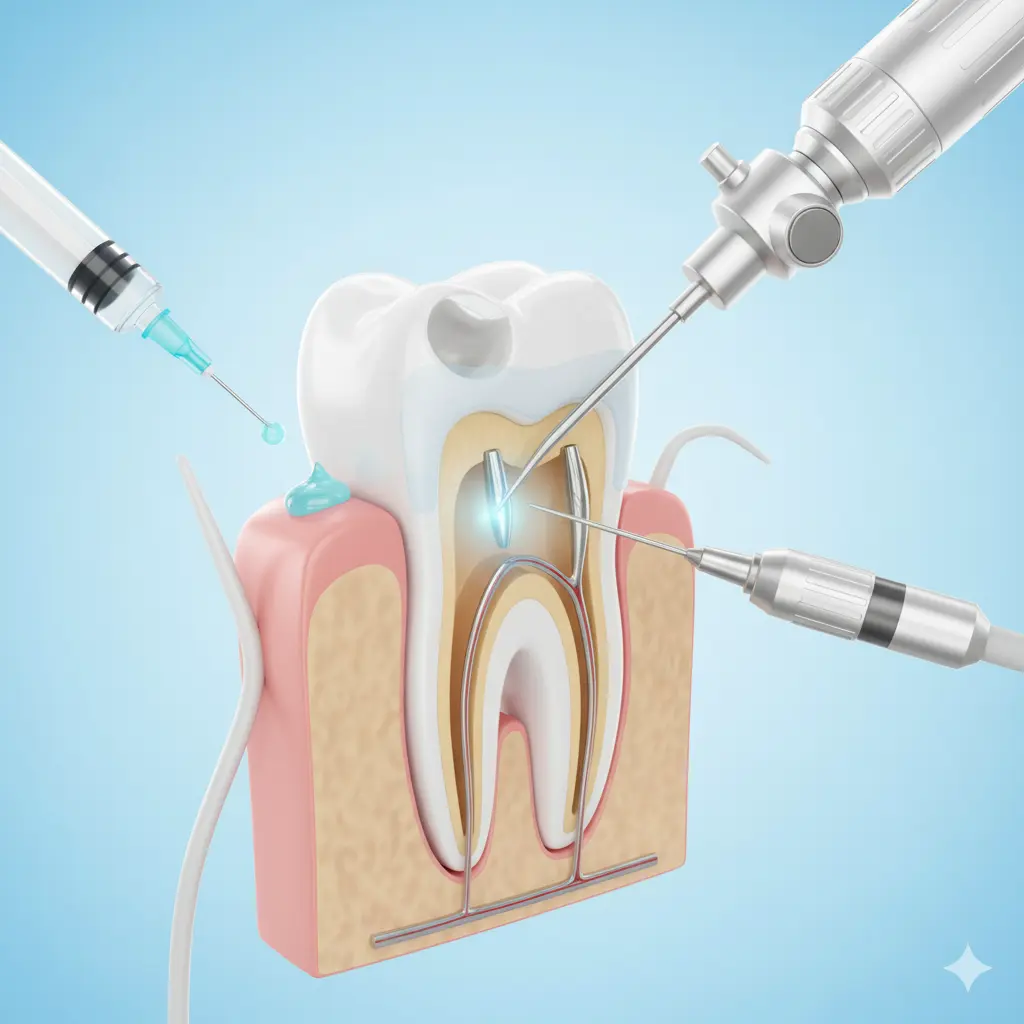
- Administration of local anesthesia or sedation
- Small incision in the gum if the tooth is impacted
- Careful removal of the tooth or sectioning if necessary
- Placement of stitches and post-treatment care instructions
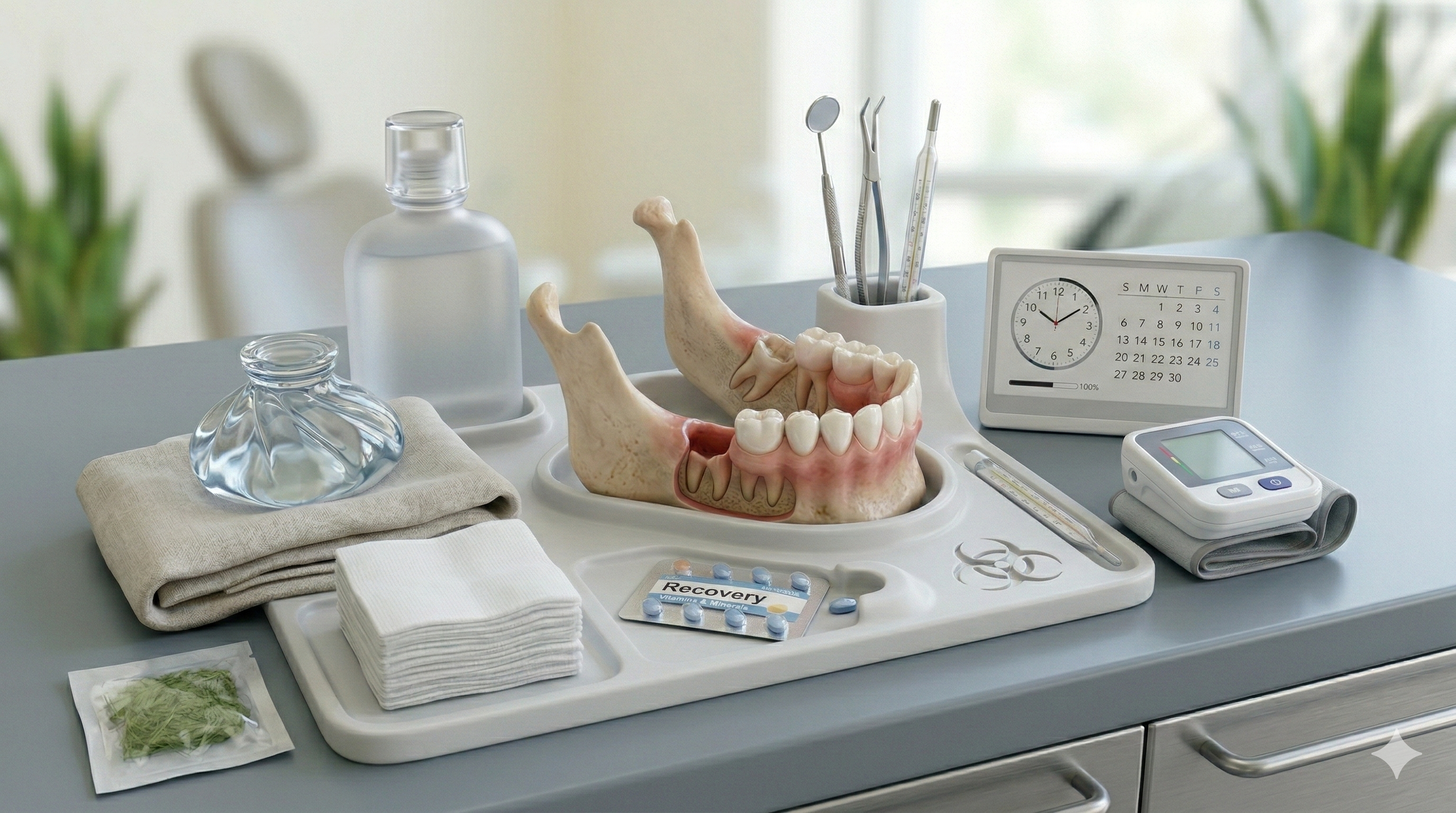
Recovery after wisdom tooth removal usually takes between three to seven days depending on the complexity of the procedure. Mild swelling and discomfort are common during the first few days.
- Apply ice packs to reduce swelling
- Eat soft foods such as yogurt, soups, or mashed potatoes
- Avoid smoking, drinking through straws, or hard foods
- Follow prescribed medications and oral care instructions
- Maintain gentle oral hygiene to prevent infection
Myth: Wisdom tooth removal is always a major surgery. In reality, many extractions are simple procedures performed quickly with minimal discomfort.
Myth: Recovery takes several weeks. Most patients return to normal activities within a few days when proper aftercare is followed.
Dr. Ayush is the lead dentist at Pinak Dental Clinic and is experienced in performing painless wisdom tooth extractions using modern dental techniques.
Patients visiting Pinak Dental Clinic benefit from advanced diagnostic technology, comfortable treatment methods, and personalized care focused on ensuring a smooth recovery.
Wisdom tooth removal can prevent serious dental complications and improve long-term oral health when performed at the right time.
If you are experiencing wisdom tooth pain or swelling, consult Dr. Ayush at Pinak Dental Clinic for a professional evaluation and safe treatment.