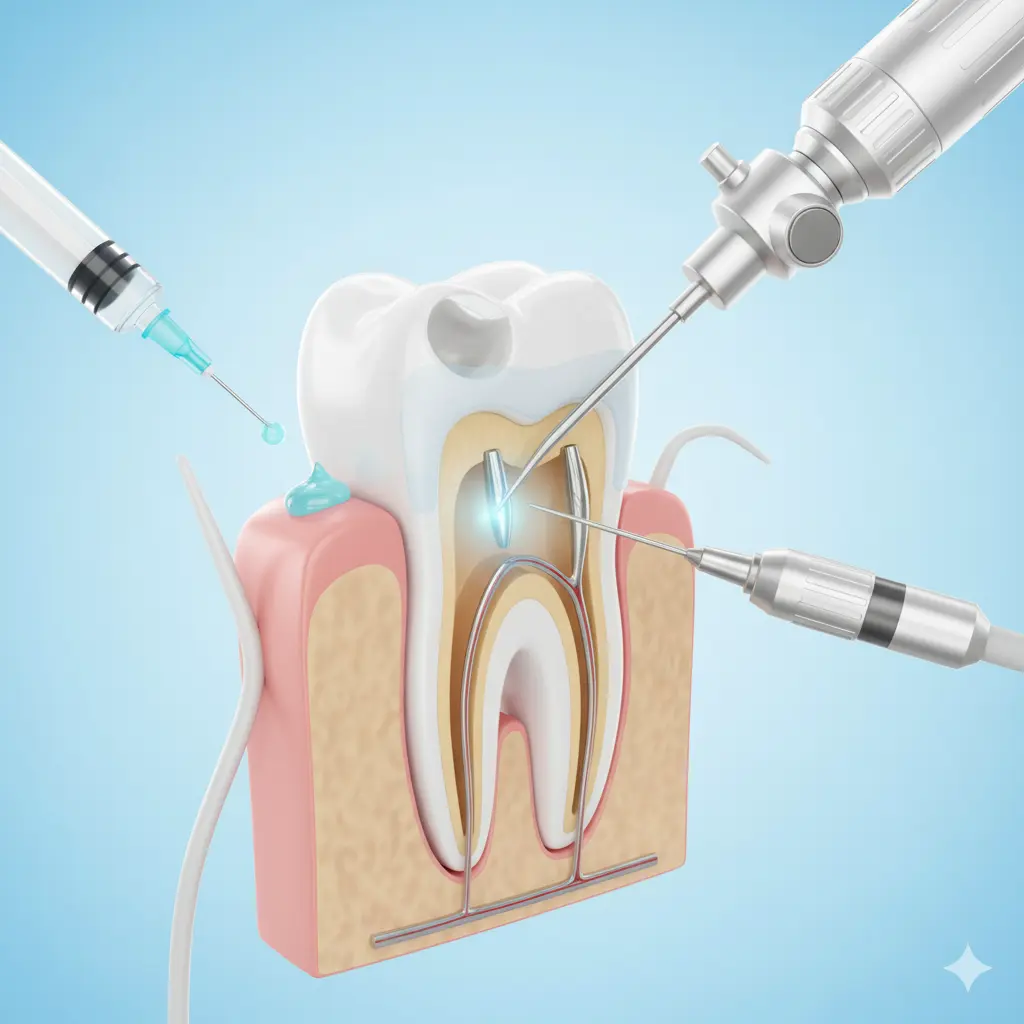
When a tooth becomes severely infected or damaged, dentists usually recommend one of two treatments: Root Canal Treatment (RCT) or tooth extraction. Both procedures aim to eliminate infection and relieve pain, but they differ significantly in their approach and long-term impact on your oral health.
Root Canal Treatment focuses on saving your natural tooth by removing infected pulp from inside the tooth and sealing it to prevent further infection. In contrast, tooth extraction involves completely removing the tooth when it cannot be saved or when keeping it would cause further dental complications.
Both treatments play an important role in maintaining oral health and protecting your smile. However, patients often ask an important question: Should you preserve the tooth with a root canal, or remove it entirely through extraction?
Root Canal Treatment is a dental procedure designed to remove infected or damaged pulp from inside a tooth while preserving the outer structure of the tooth itself. This allows patients to maintain their natural tooth and avoid replacement treatments.
Inside every tooth is a soft tissue called pulp, which contains nerves and blood vessels. When bacteria enter the pulp due to deep cavities, cracks, or trauma, infection develops. If left untreated, this infection can spread and lead to severe pain, swelling, and tooth loss.
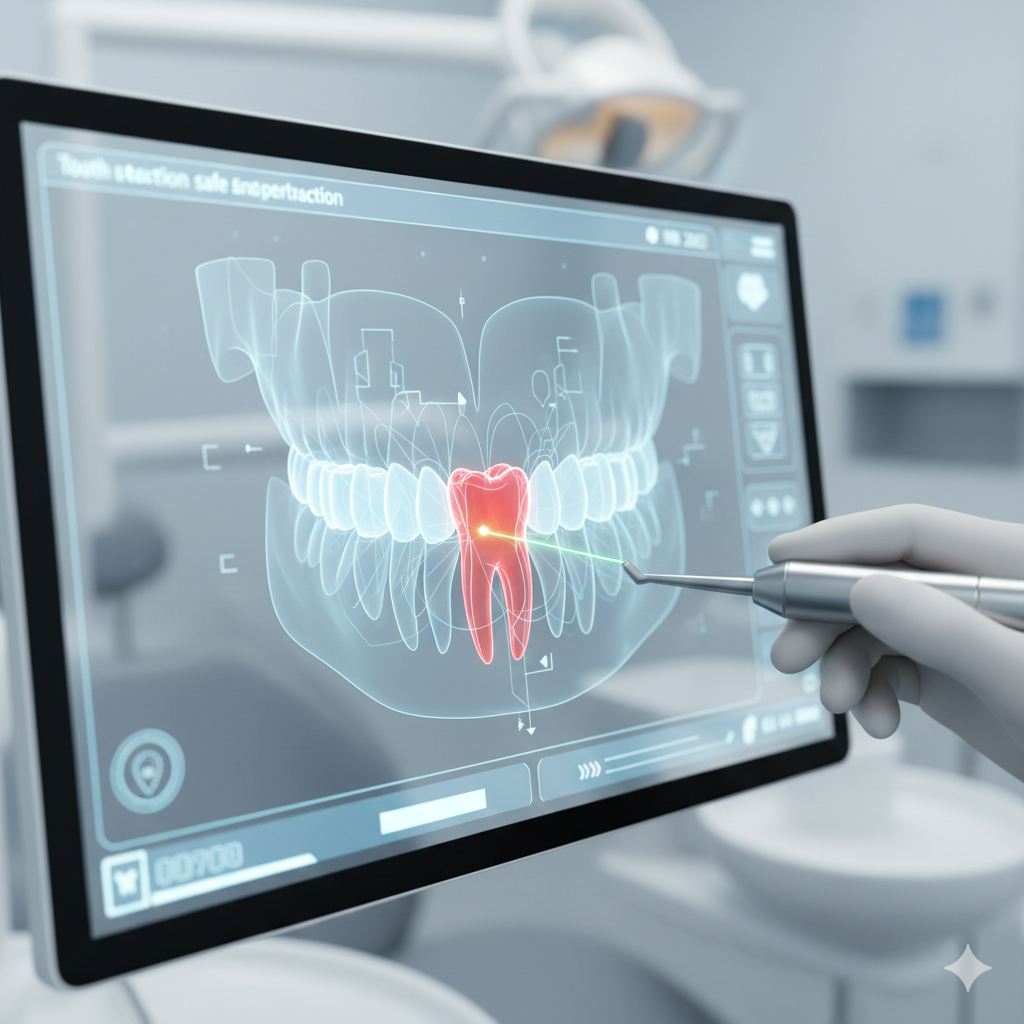
During a root canal procedure, the dentist removes the infected pulp, cleans the inner chamber of the tooth, disinfects it, and fills it with a special material to prevent reinfection.
Root canal procedures can vary depending on the severity of the infection, the condition of the tooth, and the complexity of the root structure. Dentists typically choose the most suitable approach to effectively remove infected tissue while preserving as much of the natural tooth as possible. The most common types include single-sitting root canals, where the entire treatment is completed in one visit, and multiple-sitting root canals, which may be recommended when the infection is extensive or requires additional medication between visits. In some cases, advanced techniques and specialized tools are used to ensure precise cleaning, disinfection, and sealing of the root canals, helping restore the tooth’s function and prevent further complications.
In many modern dental clinics, single sitting root canal treatment is performed where the entire procedure is completed in just one visit. This provides immediate relief from pain, reduces dental visits, and allows faster recovery.
In cases where infection is severe or complicated, dentists may recommend multiple sitting root canal treatment. This involves cleaning the infected pulp, placing medication inside the tooth, and completing the filling in a follow-up visit to ensure the infection is completely eliminated.
- Diagnosis and X-Ray to determine the extent of infection.
- Cleaning the infected pulp after administering local anesthesia.
- Disinfection of the inner chamber to eliminate bacteria.
- Filling the root canal with a material called gutta-percha.
- Placement of a dental crown to restore strength and function.
- Preserves your natural tooth
- Maintains chewing efficiency
- Prevents jawbone loss
- Maintains natural smile aesthetics
- Avoids expensive tooth replacement procedures
While dentists prefer saving natural teeth whenever possible, there are situations where tooth extraction becomes necessary. Extraction is recommended when a tooth is too damaged to be restored or when leaving it untreated could cause further health complications.
- Severe tooth decay beyond repair
- Advanced gum disease
- Cracked roots
- Infection that cannot be controlled with RCT
- Impacted wisdom teeth
- Overcrowded teeth before orthodontic treatment
Tooth extraction can be categorized into two main types: simple extraction and surgical extraction. The choice of procedure depends on the tooth’s position, condition, and the complexity of the extraction.
Simple extraction is performed on teeth that are visible in the mouth and can be removed easily. The dentist loosens the tooth using specialized instruments and gently removes it from the socket under local anesthesia.
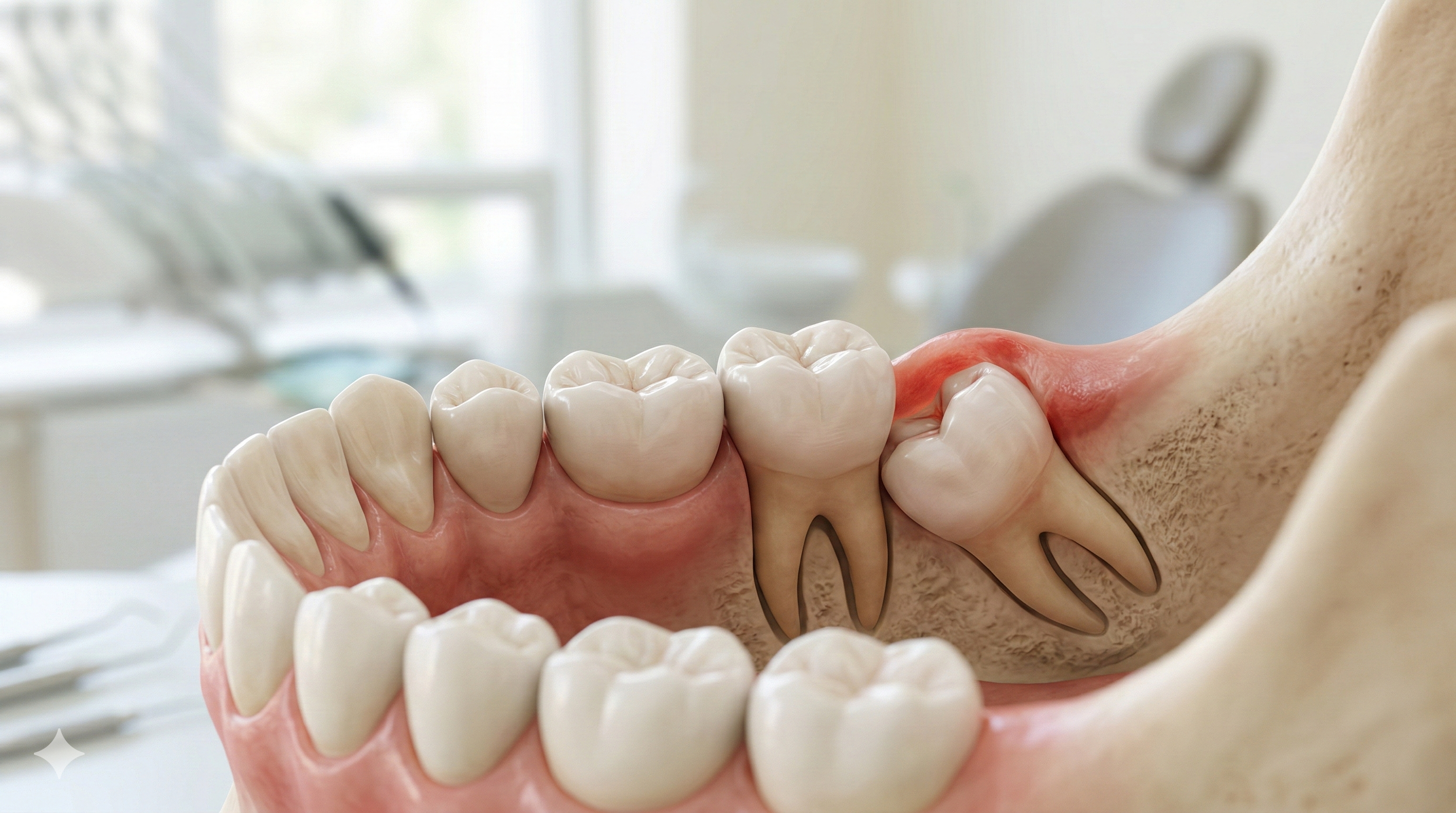
Surgical extraction is required when a tooth is impacted, has broken roots, or is not fully visible above the gum line. This procedure is commonly performed for impacted wisdom teeth.
Modern dentistry has made tooth extraction significantly more comfortable through advanced sedation techniques including local anesthesia and nitrous oxide sedation.
- Removes severely infected or damaged teeth quickly
- Prevents infection from spreading
- Eliminates pain from hopeless teeth
- Avoids potential root canal treatment failure
Root canal treatments have a success rate of approximately 90–95% when performed correctly. Extraction removes the problem tooth but often requires replacement treatments such as dental implants or bridges to restore function.
Although root canal treatment may appear expensive initially, extraction often leads to additional costs for dental implants, bridges, or dentures, making it more expensive in the long run.
- The tooth structure is still restorable
- The surrounding bone support is strong
- Infection has not severely damaged the root
- The patient wants to preserve their natural tooth
- The tooth root is severely cracked
- Decay has destroyed most of the tooth
- Infection has spread significantly
- Wisdom teeth are impacted
- Orthodontic treatment requires space
Myth: Root canal treatment causes illness. Modern root canal procedures are safe and widely practiced worldwide.
Myth: Tooth extraction is always better. Extraction may solve the immediate problem but can lead to jawbone loss and alignment issues if the missing tooth is not replaced.
Myth: Wisdom tooth removal is extremely painful. With modern anesthesia and surgical techniques, wisdom tooth removal is now far more comfortable.
Dr. Ayush is the lead dentist at Pinak Dental Clinic and is known for providing advanced and comfortable dental treatments. Patients trust his expertise in diagnosing complex dental problems and recommending the most effective treatment solutions.
At Pinak Dental Clinic, Dr. Ayush specializes in procedures such as root canal treatment, painless tooth extraction, wisdom tooth removal, and advanced restorative dentistry using modern technology.
Patients visiting Pinak Dental Clinic benefit from modern equipment, gentle treatment techniques, and a patient-first approach designed to ensure maximum comfort.
Both Root Canal Treatment and Tooth Extraction serve important roles in dental care. The best choice depends on the condition of the tooth, overall oral health, and long-term treatment goals.
Whenever possible, dentists prefer saving natural teeth through root canal treatment. However, when a tooth cannot be restored, extraction may be the safest solution.
If you are experiencing tooth pain or infection, consult Dr. Ayush at Pinak Dental Clinic for expert advice and personalized treatment recommendations.