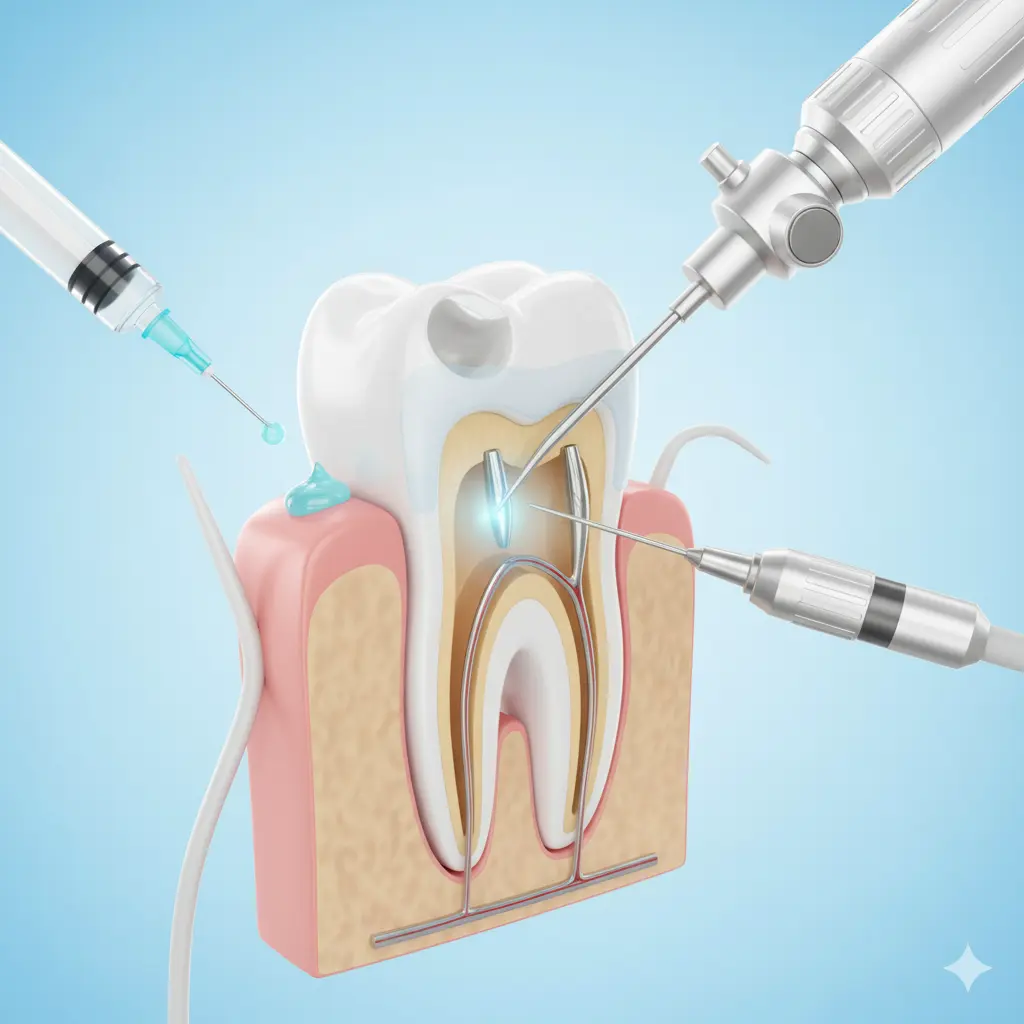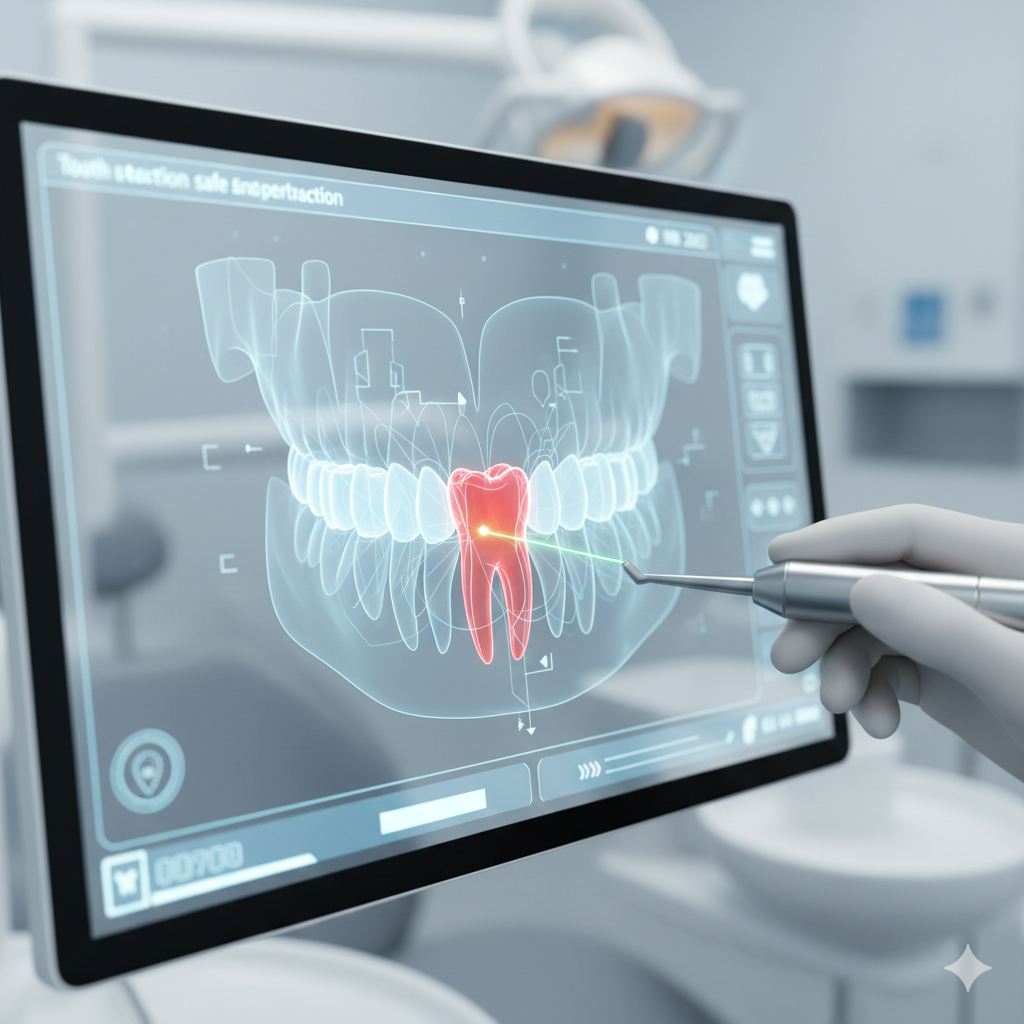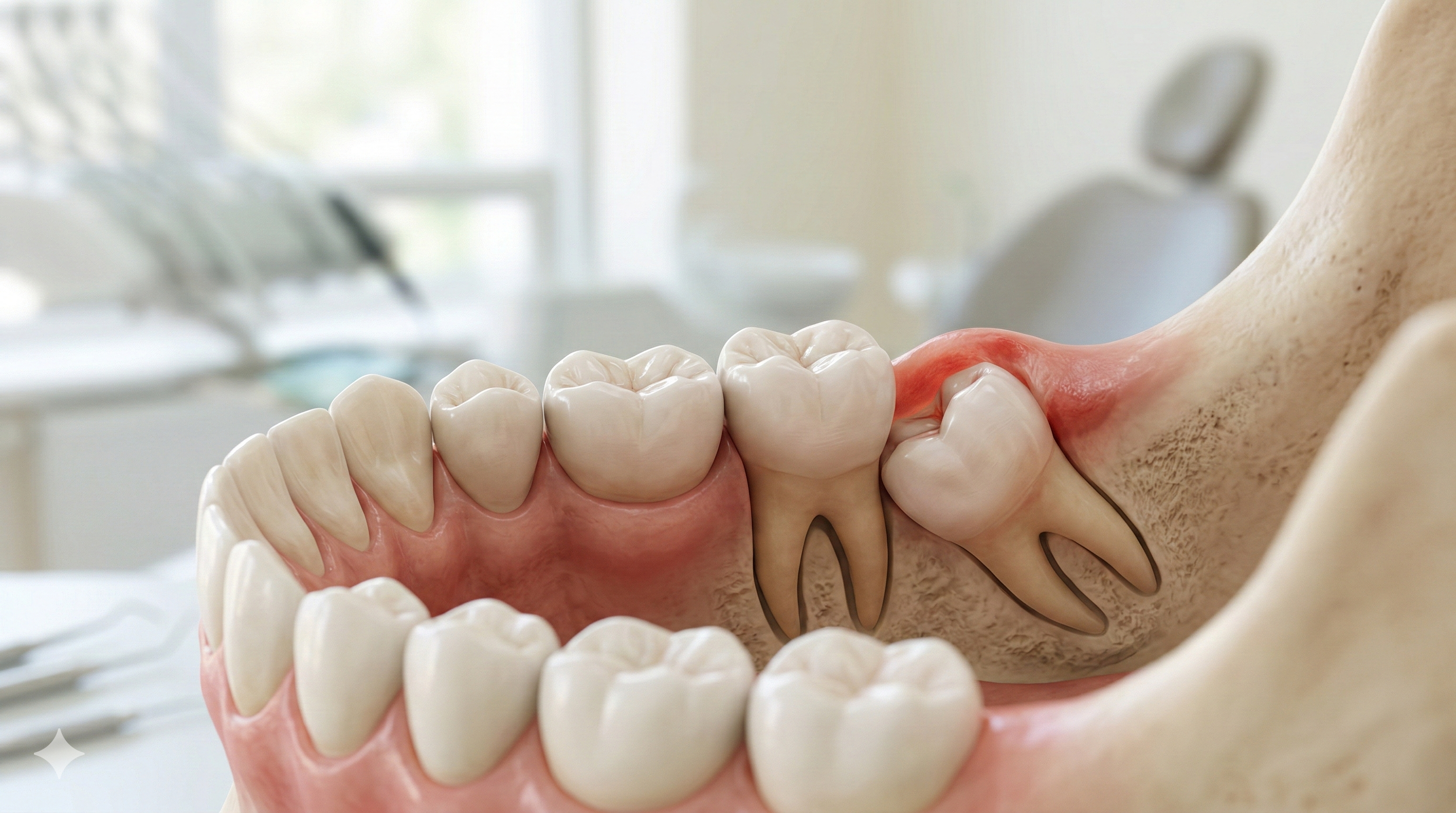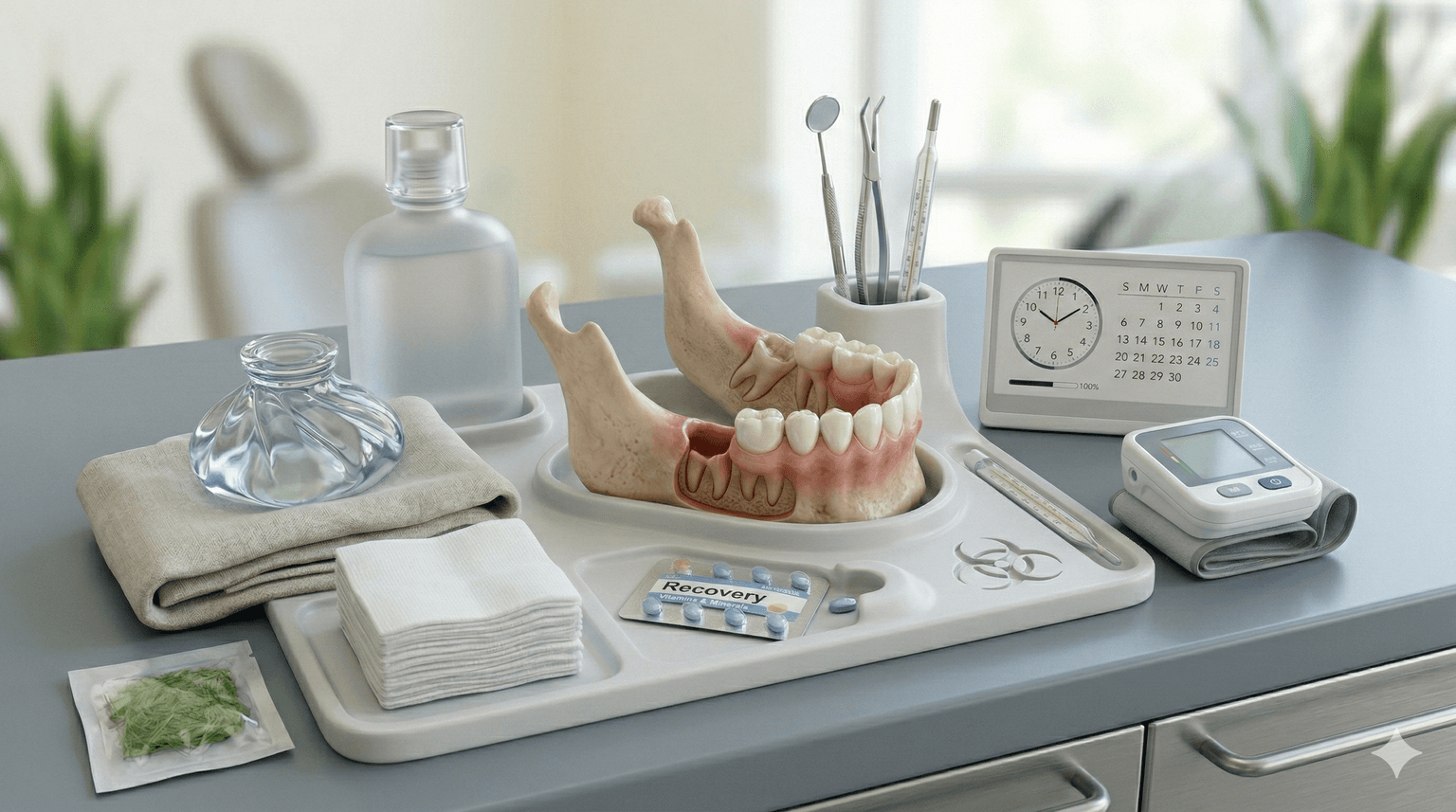
Tooth extraction is a common dental procedure that may be necessary when a tooth is severely damaged, infected, or causing crowding in the mouth. While the procedure itself is usually quick and painless thanks to modern dental techniques, proper aftercare plays a crucial role in ensuring a smooth recovery.
Following the right aftercare guidelines can significantly reduce pain, swelling, and the risk of complications such as infection or dry socket. Patients who take proper care of the extraction site often experience faster healing and can return to their daily activities much sooner.
At Pinak Dental Clinic, Dr. Ayush ensures that every patient receives clear post-treatment instructions and personalized care recommendations to support a comfortable and complication-free recovery.
After a tooth is removed, the body begins the natural healing process by forming a blood clot in the empty socket. This clot protects the bone and nerves underneath while new tissue forms in the area. Proper aftercare helps preserve this blood clot and prevents complications that can delay healing.
Ignoring aftercare instructions may increase the chances of infection, prolonged bleeding, or painful conditions such as dry socket. Maintaining good oral hygiene and following your dentist’s advice can make a significant difference in the speed and comfort of recovery.
The first 24 hours after a tooth extraction are the most important for controlling bleeding and protecting the newly formed blood clot. Patients should focus on rest, minimal activity, and following all instructions provided by their dentist.
- Bite gently on the gauze pad placed by your dentist to help control bleeding.
- Keep your head slightly elevated when lying down to reduce swelling.
- Apply ice packs on the outside of your cheek for 10–15 minutes at a time.
- Take prescribed pain relief or antibiotics exactly as instructed.
- Avoid touching or disturbing the extraction area with your tongue or fingers.
Your diet plays an important role in the healing process. Soft foods that require minimal chewing are recommended during the initial recovery period. These foods help prevent irritation to the extraction site while providing the nutrients needed for healing.
- Yogurt and smoothies
- Mashed potatoes or soft rice
- Soup and broth-based meals
- Scrambled eggs
- Applesauce or mashed bananas
Avoid extremely hot foods and drinks during the first day as they may dissolve the protective blood clot and cause bleeding.
After the first day, most patients begin to notice a gradual reduction in swelling and discomfort. During this stage, gentle oral hygiene and gradual return to normal eating habits are recommended.
- Rinse gently with warm saltwater to keep the area clean.
- Continue eating soft foods but slowly introduce slightly firmer foods.
- Brush your teeth normally while avoiding the extraction site.
- Stay hydrated and maintain proper nutrition.
- Limit strenuous exercise or heavy physical activity.
Although most tooth extractions heal without any issues, some patients may experience minor complications if proper aftercare is not followed.
Dry socket occurs when the protective blood clot at the extraction site becomes dislodged or dissolves too early. This exposes the underlying bone and nerves, causing significant pain and delayed healing.
Symptoms of dry socket include intense pain a few days after extraction, unpleasant taste in the mouth, and visible bone inside the socket. Seeking dental care promptly can help relieve symptoms and promote proper healing.
Although rare, infections can occur if bacteria enter the extraction site. Warning signs may include persistent swelling, fever, pus discharge, or severe pain that does not improve over time.
If any of these symptoms appear, patients should contact their dentist immediately for evaluation and treatment.
- Do not smoke or use tobacco for at least 48 hours.
- Avoid drinking through straws as the suction may remove the blood clot.
- Stay away from hard, crunchy, or spicy foods during early healing.
- Avoid vigorous rinsing or spitting for the first day.
- Do not touch the extraction site unnecessarily.
Patients can speed up their recovery by following simple habits that support the body’s natural healing process.
- Get adequate rest during the first 24 hours.
- Drink plenty of water to stay hydrated.
- Follow all medication instructions provided by your dentist.
- Maintain gentle but consistent oral hygiene.
- Attend follow-up appointments if recommended.
Myth: You can smoke immediately after a tooth extraction. Smoking interferes with healing and greatly increases the risk of dry socket.
Myth: You should avoid brushing your teeth completely after extraction. In reality, brushing is important, but the extraction site should be avoided for the first few days.
Patients often ask when they can return to exercise, drink alcohol, or eat normal foods. Most individuals can resume light activities after 24 hours, but full recovery varies depending on the complexity of the extraction.
Dr. Ayush is the lead dentist at Pinak Dental Clinic and is known for providing gentle and advanced dental care. He specializes in procedures such as painless tooth extraction, wisdom tooth removal, and restorative dentistry.
At Pinak Dental Clinic, patients benefit from modern dental equipment, strict sterilization protocols, and a patient-first approach that focuses on comfort, safety, and long-term oral health.
Proper aftercare is the key to a smooth and quick recovery after tooth extraction. By following your dentist’s instructions, maintaining good oral hygiene, and avoiding harmful habits during the healing period, you can significantly reduce the risk of complications.
If you have recently undergone a tooth extraction or are experiencing dental discomfort, consult Dr. Ayush at Pinak Dental Clinic for expert care and personalized guidance.