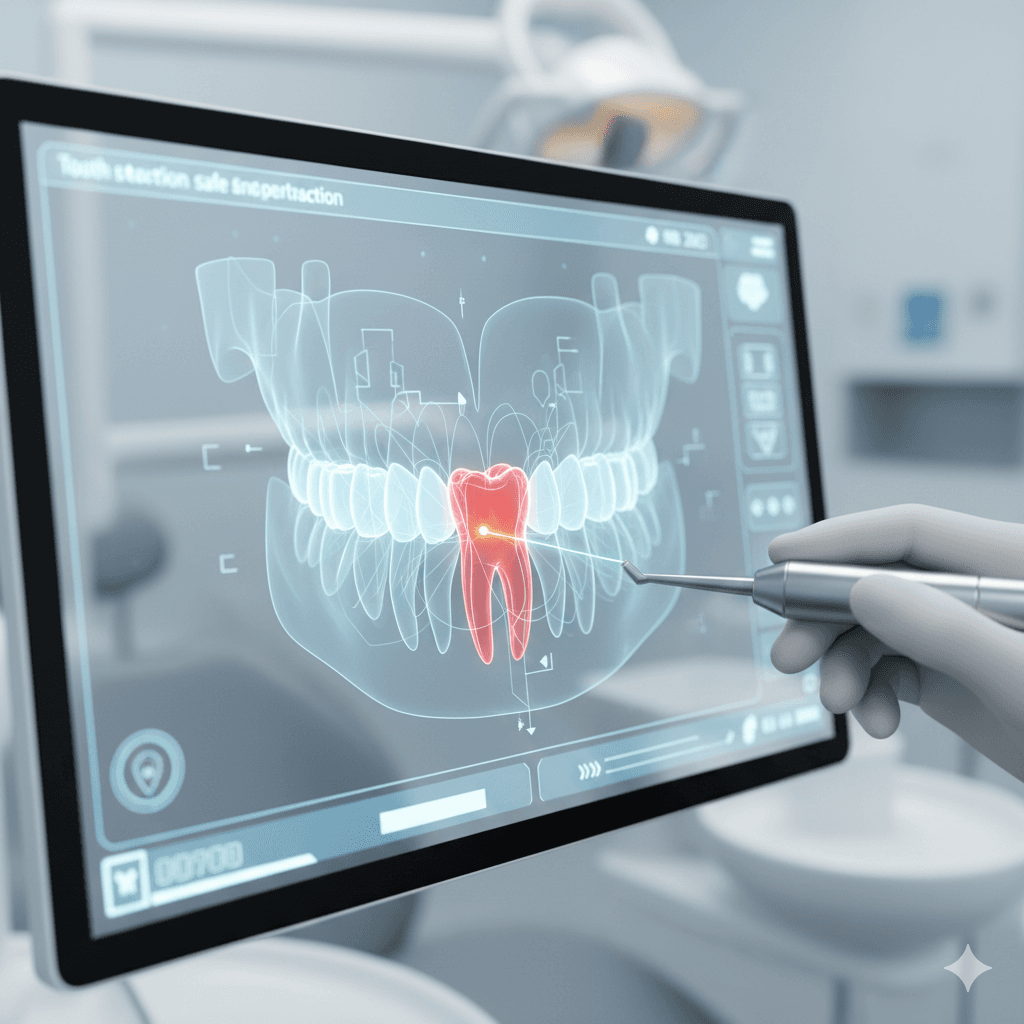
Tooth extraction is sometimes necessary when a tooth is severely damaged, infected, or causing crowding in the mouth. Modern dentistry offers different extraction techniques depending on the position and condition of the tooth. The two main types of procedures are simple extraction and surgical extraction.
A simple extraction is typically performed when the tooth is fully visible in the mouth and can be removed using dental instruments without making any incisions. Surgical extraction, on the other hand, is required for more complex cases such as impacted wisdom teeth, broken roots, or teeth that are difficult to access.
Choosing the right extraction method depends on several factors, including the tooth’s condition, its position in the jaw, and the patient's overall comfort. At Pinak Dental Clinic, Dr. Ayush carefully evaluates each case to ensure the safest and most comfortable tooth removal procedure.
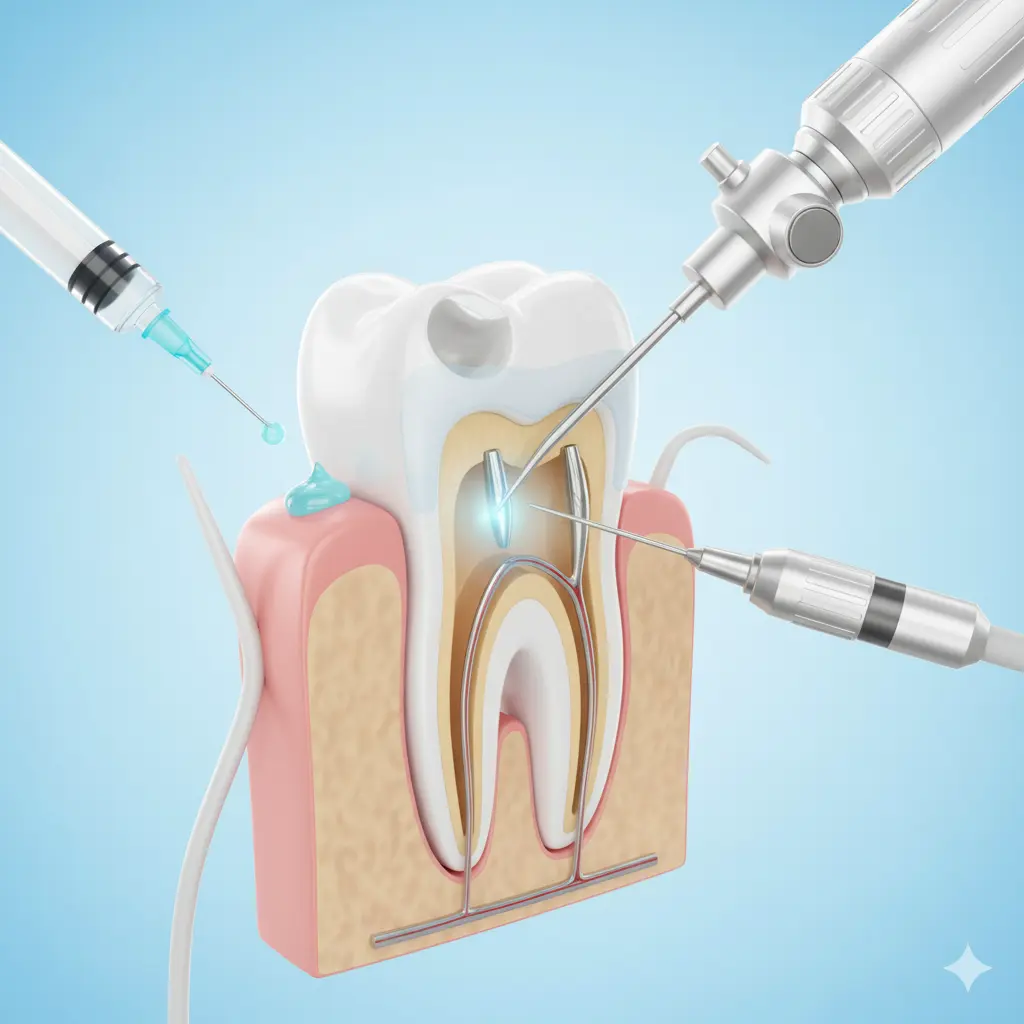
Simple extraction is a common dental procedure used for teeth that are clearly visible and easily accessible. This method is often recommended for teeth affected by severe decay, loosened teeth due to gum disease, or damaged front teeth that cannot be restored.
During a simple extraction, the dentist first administers local anesthesia to numb the area around the tooth. Specialized dental instruments such as elevators and forceps are then used to gently loosen the tooth before it is removed from the socket.
- Quick procedure usually completed within 10–30 minutes
- Minimal swelling or discomfort after treatment
- Lower treatment cost compared to surgical extraction
- No incisions or stitches required
- Faster recovery allowing patients to resume daily activities sooner
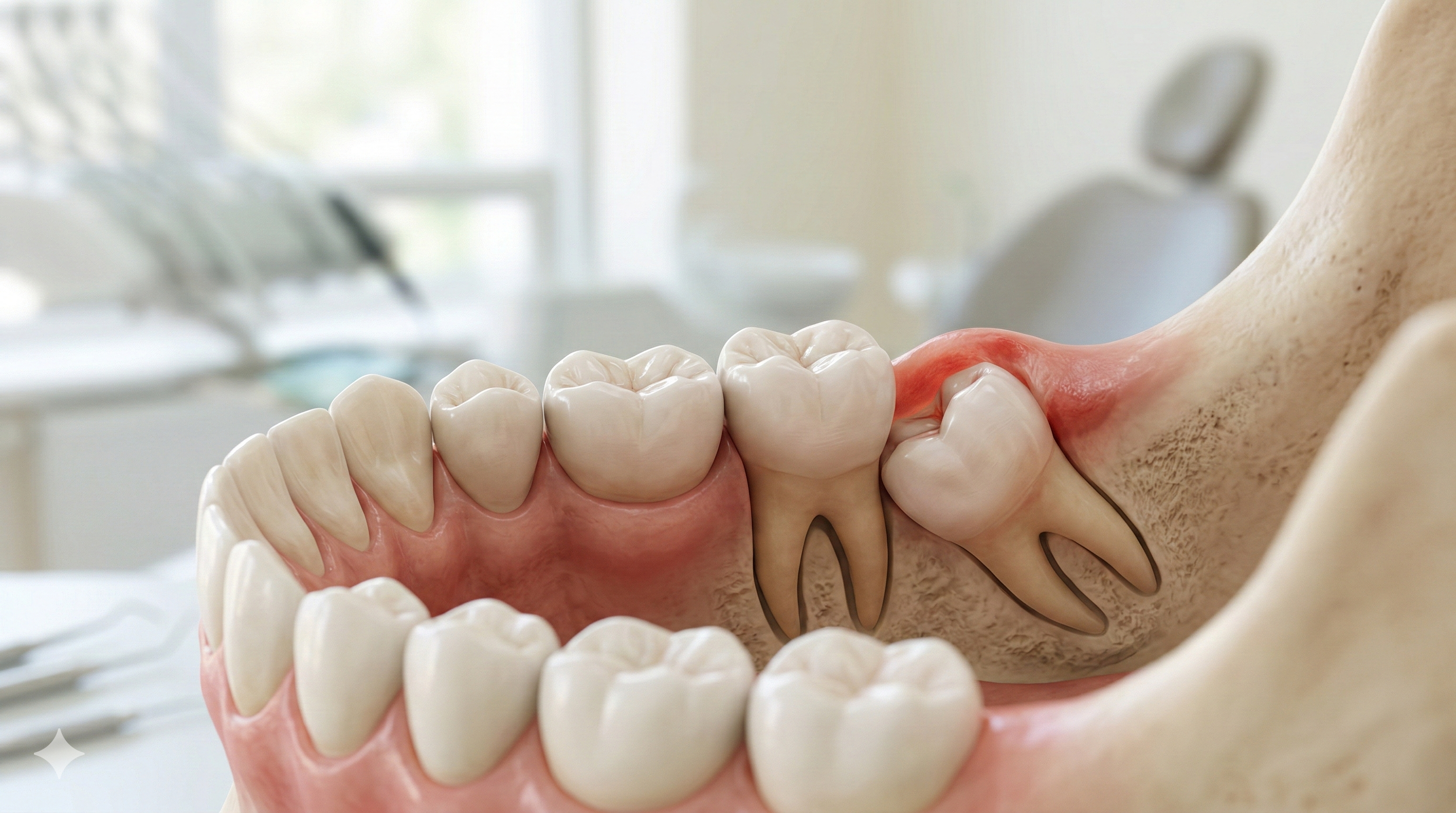
Surgical extraction is performed when a tooth cannot be removed through a simple extraction procedure. This usually occurs when the tooth is impacted, partially erupted, or broken below the gum line. Wisdom teeth removal is one of the most common reasons for surgical extraction.
During surgical extraction, the dentist may make a small incision in the gum to access the tooth. In some cases, a small portion of bone surrounding the tooth may be removed or the tooth may be divided into smaller sections to make removal easier and safer.
Advanced dental techniques and sedation options can also be used during surgical extractions to ensure that patients remain comfortable and pain-free throughout the procedure.
- Allows removal of impacted wisdom teeth
- Effective for broken or deeply rooted teeth
- Helps prevent complications such as cyst formation or infection
- Provides access to difficult-to-reach molars
- Ensures complete removal of problematic teeth
Simple extraction is a straightforward outpatient procedure that does not involve cutting the gum or removing bone. Surgical extraction, however, is considered a minor surgical procedure and may require incisions or additional techniques to access the tooth.
Recovery time also differs between the two methods. Simple extractions usually heal within one to two days, while surgical extractions may require three to seven days of recovery due to swelling and stitches.
Both procedures are performed under anesthesia, making them painless during treatment. Surgical procedures may sometimes involve deeper sedation to ensure maximum patient comfort.
- The tooth is fully erupted and visible
- There is good access around the tooth
- The roots are intact and easy to remove
- The patient has good overall oral health
- The tooth is not impacted or broken below the gum line
- Impacted wisdom teeth
- Teeth broken at the gum line
- Severely damaged or fractured roots
- Teeth trapped beneath the gum or bone
- Orthodontic cases where space needs to be created
Myth: Surgical tooth extraction is always painful. In reality, modern anesthesia and sedation techniques make both simple and surgical extractions comfortable procedures.
Myth: Simple extraction works for all teeth. Some teeth require surgical extraction due to their position or structure, and attempting a simple extraction in such cases could cause complications.
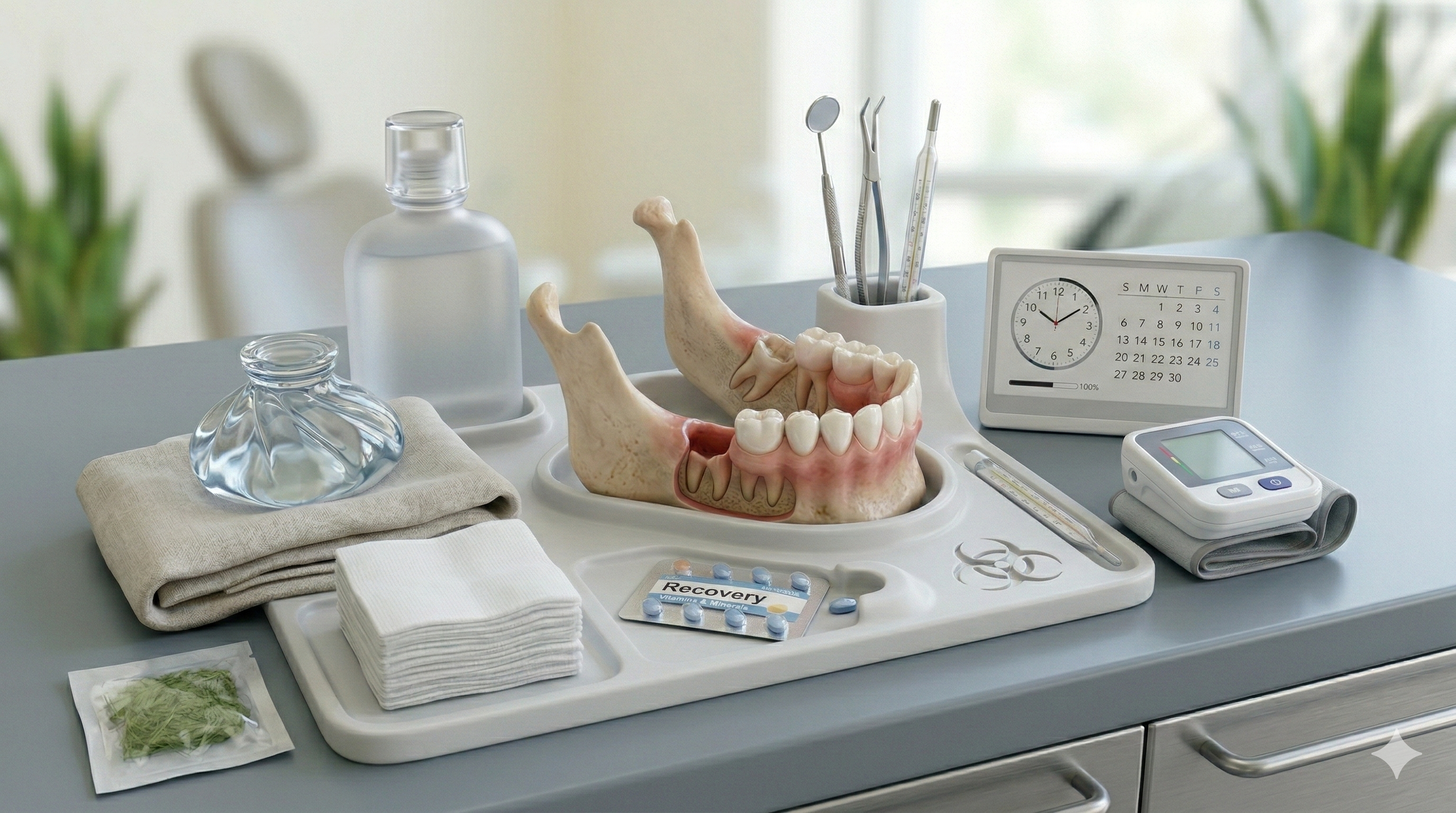
Patients often ask about recovery tips, aftercare instructions, and wisdom tooth removal safety. Dentists typically recommend rest, soft foods, and proper oral hygiene to ensure smooth healing after any extraction procedure.
Dr. Ayush is the lead dentist at Pinak Dental Clinic and is known for providing gentle and advanced dental care. He has extensive experience in diagnosing complex dental conditions and recommending the most suitable treatment options for each patient.
At Pinak Dental Clinic, Dr. Ayush performs both simple and surgical tooth extractions using modern techniques designed to minimize discomfort and ensure safe recovery.
Patients visiting Pinak Dental Clinic benefit from advanced dental technology, strict sterilization standards, and a patient-first approach that prioritizes comfort and long-term oral health.
Both simple extraction and surgical extraction play an important role in maintaining oral health. The right procedure depends on the tooth’s position, level of damage, and the complexity of the case.
While simple extractions are quick and straightforward, surgical extractions are essential for addressing impacted or difficult-to-remove teeth.
If you are experiencing tooth pain or suspect that you may need a tooth extraction, consult Dr. Ayush at Pinak Dental Clinic for expert guidance and personalized dental care.