Tooth pain can range from mild discomfort to severe throbbing pain that interferes with daily life. While some dental problems can be treated with simple fillings or medications, others may require more advanced treatment such as root canal therapy. Understanding the early warning signs of a root canal problem is essential for protecting your oral health and preventing tooth loss.
A root canal treatment is a dental procedure used to remove infected or damaged pulp from inside the tooth. The pulp contains nerves, blood vessels, and connective tissue that help the tooth grow during development. When this tissue becomes infected due to deep cavities, cracks, or trauma, it can cause severe pain and potentially lead to more serious dental complications.
Many patients delay treatment because they believe the pain will eventually go away. However, ignoring the symptoms of tooth infection can allow the infection to spread to surrounding tissues, resulting in abscess formation, swelling, and even bone damage.
At Pinak Dental Clinic, Dr. Ayush focuses on early diagnosis and modern root canal techniques that help preserve natural teeth and eliminate pain safely and effectively.
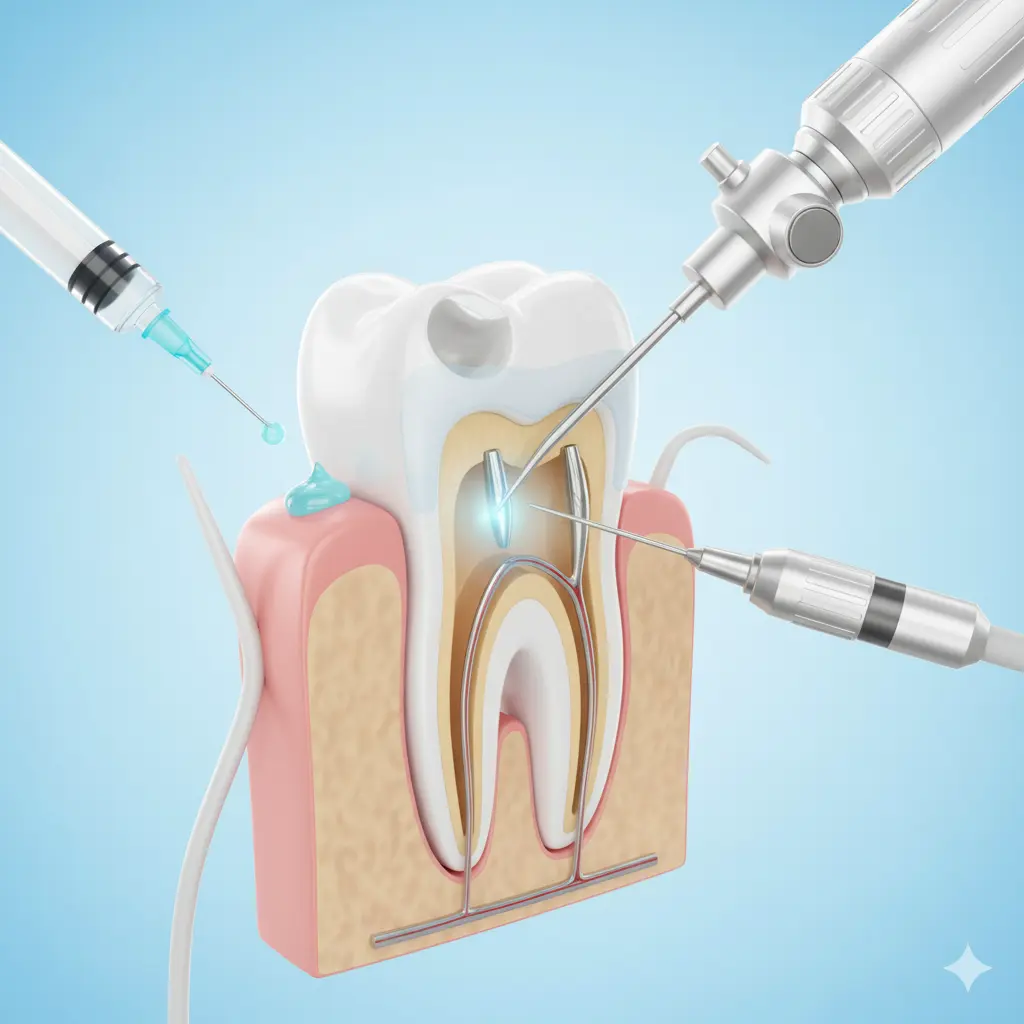
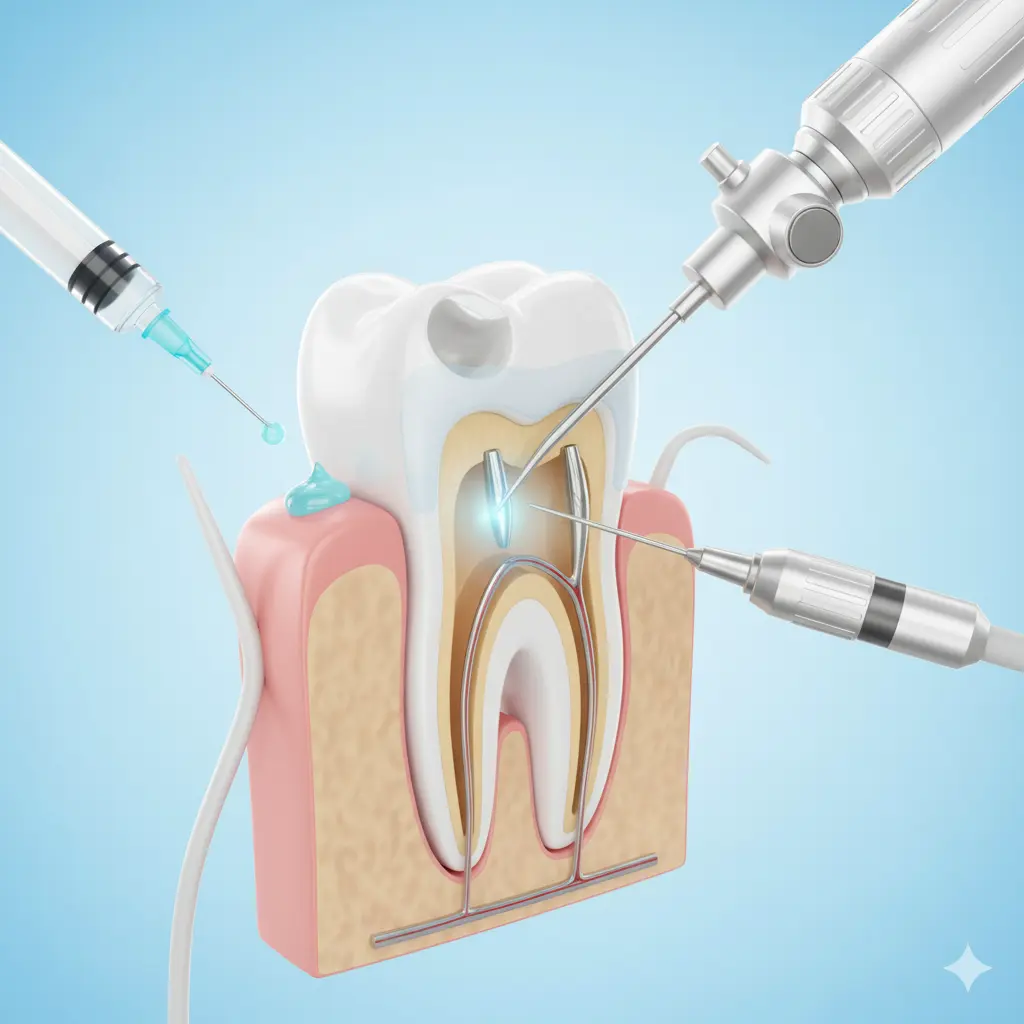
Root canal treatment is a dental procedure designed to save a severely infected or damaged tooth. During the procedure, the dentist removes the infected pulp tissue from inside the tooth, thoroughly cleans and disinfects the root canals, and fills the space with a special material to prevent reinfection.
The goal of root canal therapy is to eliminate infection while preserving the outer structure of the tooth. Once the procedure is completed, the tooth can continue to function normally with the help of a dental crown that restores strength and durability.
Modern root canal treatments are safe, highly effective, and far more comfortable than many people expect. With modern anesthesia and advanced dental technology, most patients experience minimal discomfort during the procedure.
Tooth pulp infection usually develops when bacteria enter the inner layers of the tooth. Several factors can contribute to this condition.
- Deep tooth decay that reaches the pulp chamber
- Untreated cavities that allow bacteria to spread inside the tooth
- Cracked or fractured teeth that expose internal tissues
- Repeated dental procedures on the same tooth
- Severe trauma or injury to the tooth
- Advanced gum disease affecting the tooth root
When bacteria reach the pulp, inflammation develops, leading to pain, pressure, and sensitivity. Without treatment, the infection may spread beyond the tooth and affect surrounding tissues.
Recognizing the early warning signs of pulp infection can help patients seek timely dental care before the condition worsens. Several symptoms may indicate that root canal treatment is necessary.
One of the most common symptoms of pulp infection is persistent tooth pain. The pain may occur when chewing, biting, or applying pressure to the tooth. In some cases, the pain may spread to the jaw, ear, or surrounding teeth.
Unlike temporary tooth sensitivity, persistent pain often continues for long periods and may become more intense over time. If this symptom is ignored, the infection can worsen and lead to severe discomfort.
Another early sign of pulp damage is increased sensitivity to hot or cold foods and beverages. Patients may experience sharp pain when drinking hot tea, coffee, or cold water.
While mild sensitivity can be normal, prolonged or severe sensitivity that lingers for several seconds after exposure may indicate deeper tooth damage requiring professional treatment.
Gum swelling around a specific tooth can indicate infection in the tooth root. The gums may appear red, tender, or inflamed, and patients may notice a small bump resembling a pimple near the affected tooth.
This bump, known as a dental abscess, is a sign that the infection has spread beyond the pulp and requires immediate dental attention.
When the pulp inside a tooth becomes infected or damaged, the tooth may gradually change color. The tooth may appear darker or grayish compared to surrounding teeth.
Discoloration occurs because the damaged pulp affects the internal structure of the tooth. A root canal treatment may be required to remove the infected tissue and restore the tooth’s appearance.
Pain while chewing or biting can indicate inflammation in the tooth root. Patients may notice that biting down on certain foods causes sharp or throbbing pain.
This symptom occurs because pressure on the tooth affects the infected pulp and surrounding tissues.
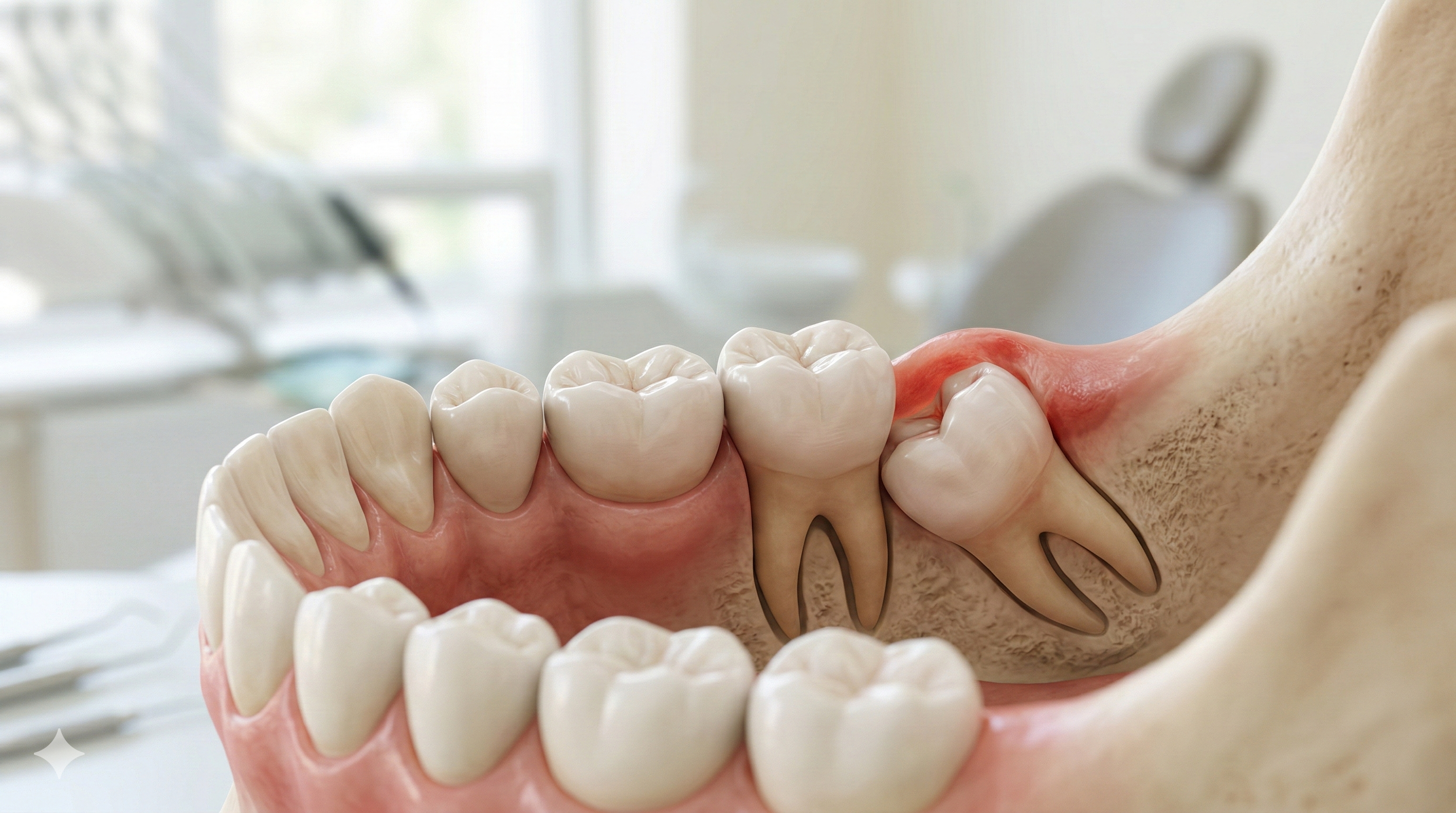
In some cases, infection inside the tooth may weaken the surrounding bone structure. Patients may feel that the affected tooth is slightly loose or unstable.
This symptom occurs because inflammatory byproducts from bacteria can affect the bone supporting the tooth.
Ignoring the early signs of pulp infection can allow bacteria to spread deeper into the tooth and surrounding tissues. Over time, this infection may lead to serious dental complications.
- Severe tooth abscess formation
- Swelling of the face or jaw
- Bone loss around the infected tooth
- Spread of infection to neighboring teeth
- Complete loss of the natural tooth
Seeking timely treatment can prevent these complications and help preserve the natural tooth structure.
Modern root canal treatments are performed with precision and care to ensure patient comfort and long-term success.
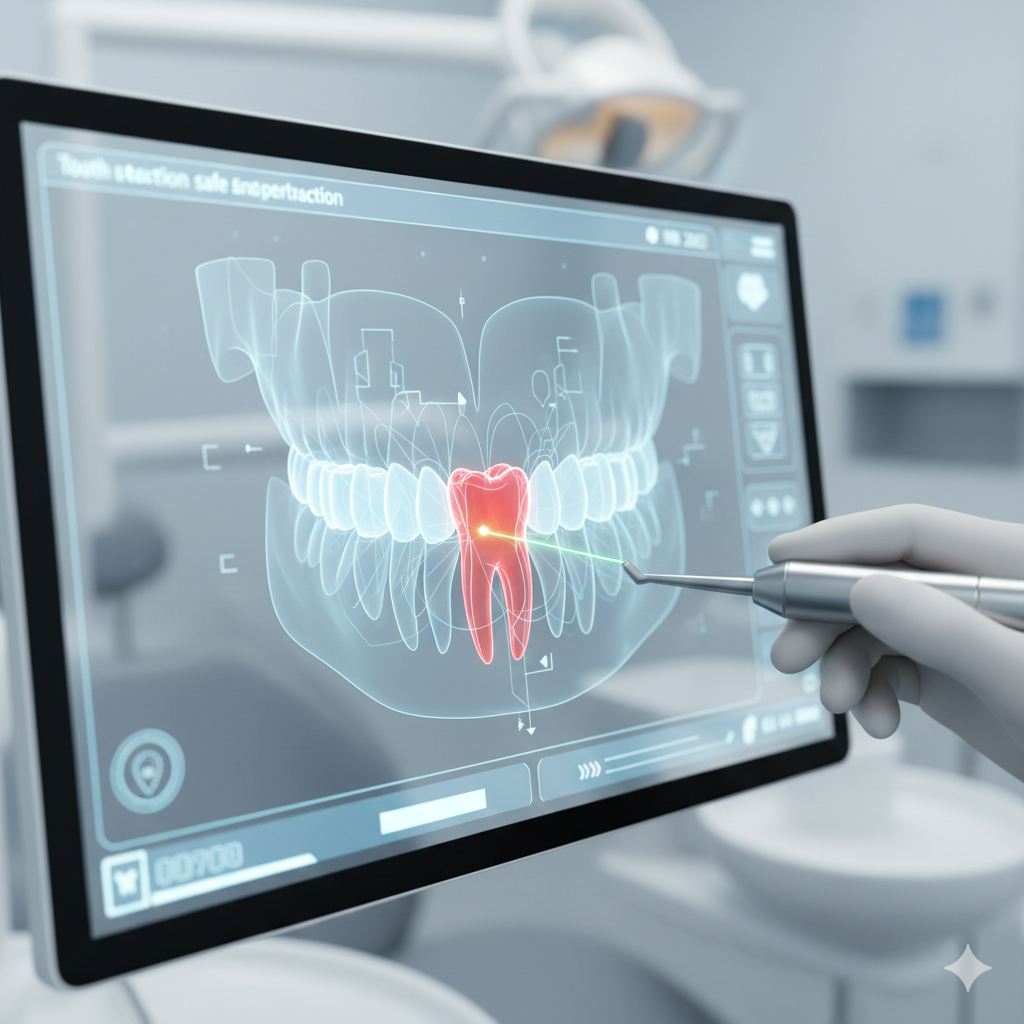
- Detailed dental examination and X-rays to evaluate the infection
- Local anesthesia to numb the affected tooth
- Removal of infected pulp tissue
- Cleaning and disinfection of the root canal system
- Filling the canal with a special biocompatible material
- Placement of a dental crown to protect the treated tooth
Most root canal procedures can be completed within one or two dental visits depending on the severity of infection.
- Eliminates infection and relieves tooth pain
- Preserves the natural tooth structure
- Prevents tooth extraction
- Maintains proper chewing function
- Protects surrounding teeth from shifting
Myth: Root canal treatments are extremely painful. In reality, modern root canal procedures are performed under anesthesia and are usually no more uncomfortable than receiving a dental filling.
Myth: Tooth extraction is better than root canal therapy. Dentists generally prefer preserving natural teeth whenever possible because extraction can lead to additional complications and replacement treatments.
Myth: Root canal treated teeth do not last long. With proper care and dental restoration, a treated tooth can last for many years or even a lifetime.
Preventive dental care plays a key role in reducing the risk of severe tooth infections.
- Brush teeth at least twice daily with fluoride toothpaste
- Floss regularly to remove plaque between teeth
- Avoid excessive sugary foods and beverages
- Schedule regular dental checkups and cleanings
- Treat cavities early before they become severe
Dr. Ayush is the lead dentist at Pinak Dental Clinic and specializes in advanced root canal treatments using modern dental technology.
Patients visiting Pinak Dental Clinic benefit from gentle treatment techniques, modern diagnostic equipment, and personalized dental care focused on long-term oral health.
Recognizing the early signs of tooth infection is essential for protecting your natural teeth and avoiding severe dental complications. Symptoms such as persistent pain, prolonged sensitivity, gum swelling, or tooth discoloration should never be ignored.
Root canal treatment is a safe and effective way to eliminate infection while preserving the natural tooth structure.
If you are experiencing tooth pain or suspect a dental infection, consult Dr. Ayush at Pinak Dental Clinic for expert diagnosis and personalized treatment recommendations.